Two Drops of Hope
Logline
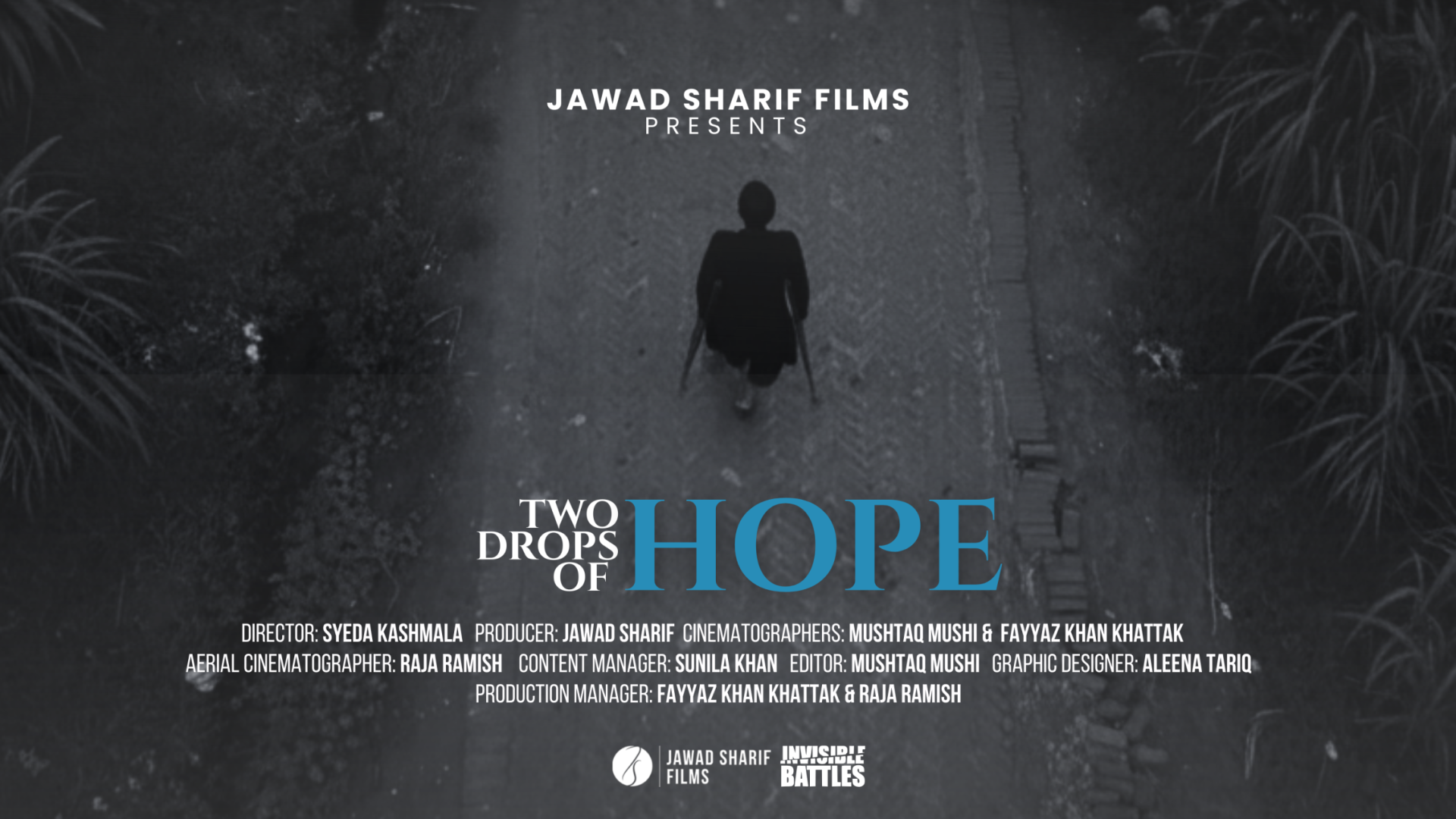
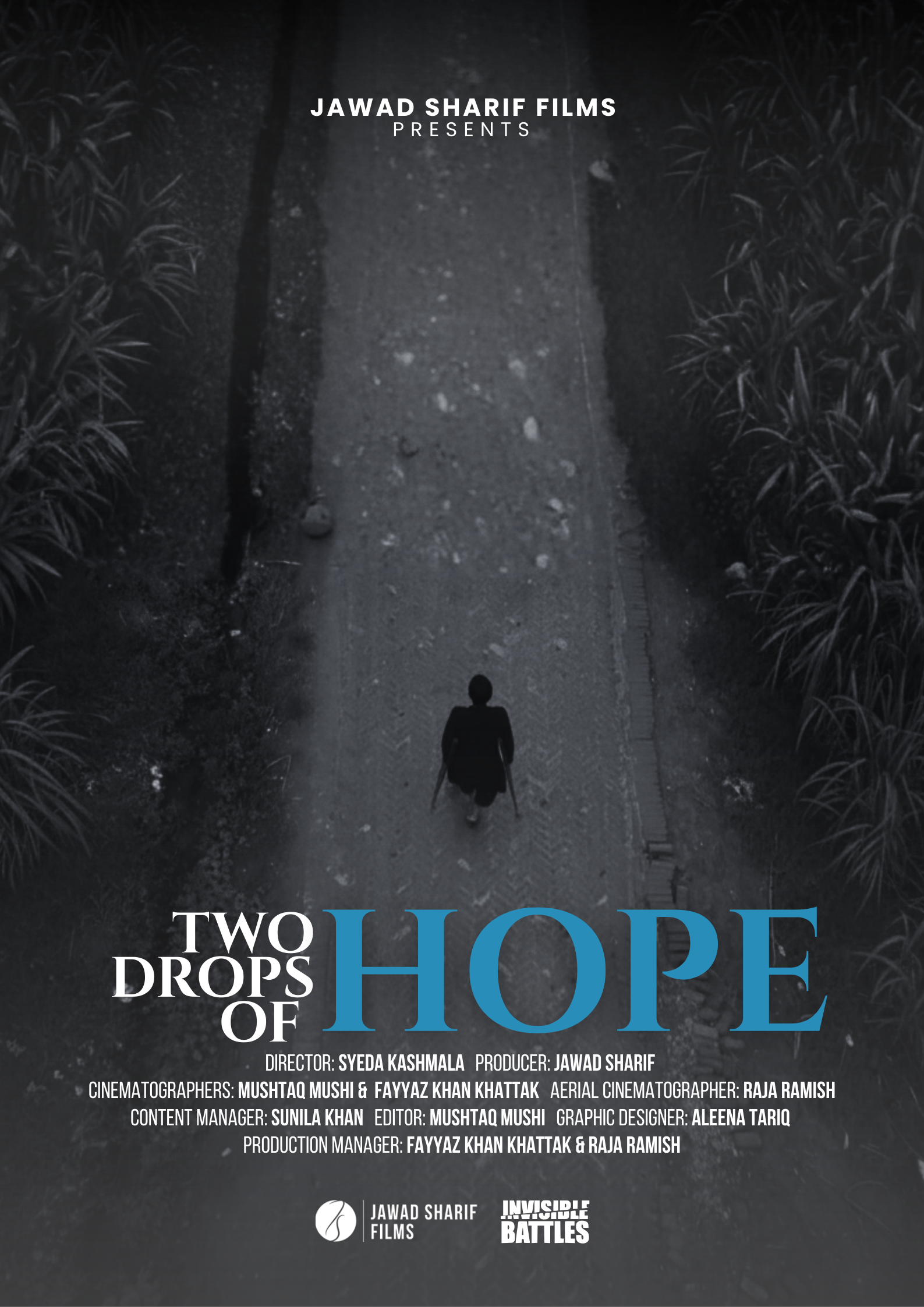
Two Drops of Hope tells the resilient stories of polio survivors in Pakistan whose lives were permanently altered by a preventable disease, alongside the frontline health workers and surveillance officers fighting misinformation and overcoming obstacles to ensure that no child suffers the same fate again.
Synopsis
Two Drops of Hope is an intimate documentary that explores the lifelong consequences of polio through the voices of those who live with its aftermath and those working tirelessly to eradicate it. Set in Pakistan, one of the last two countries in the world where polio remains endemic, the film weaves together deeply personal testimonies of polio survivors with the on-ground realities of the national immunization effort.
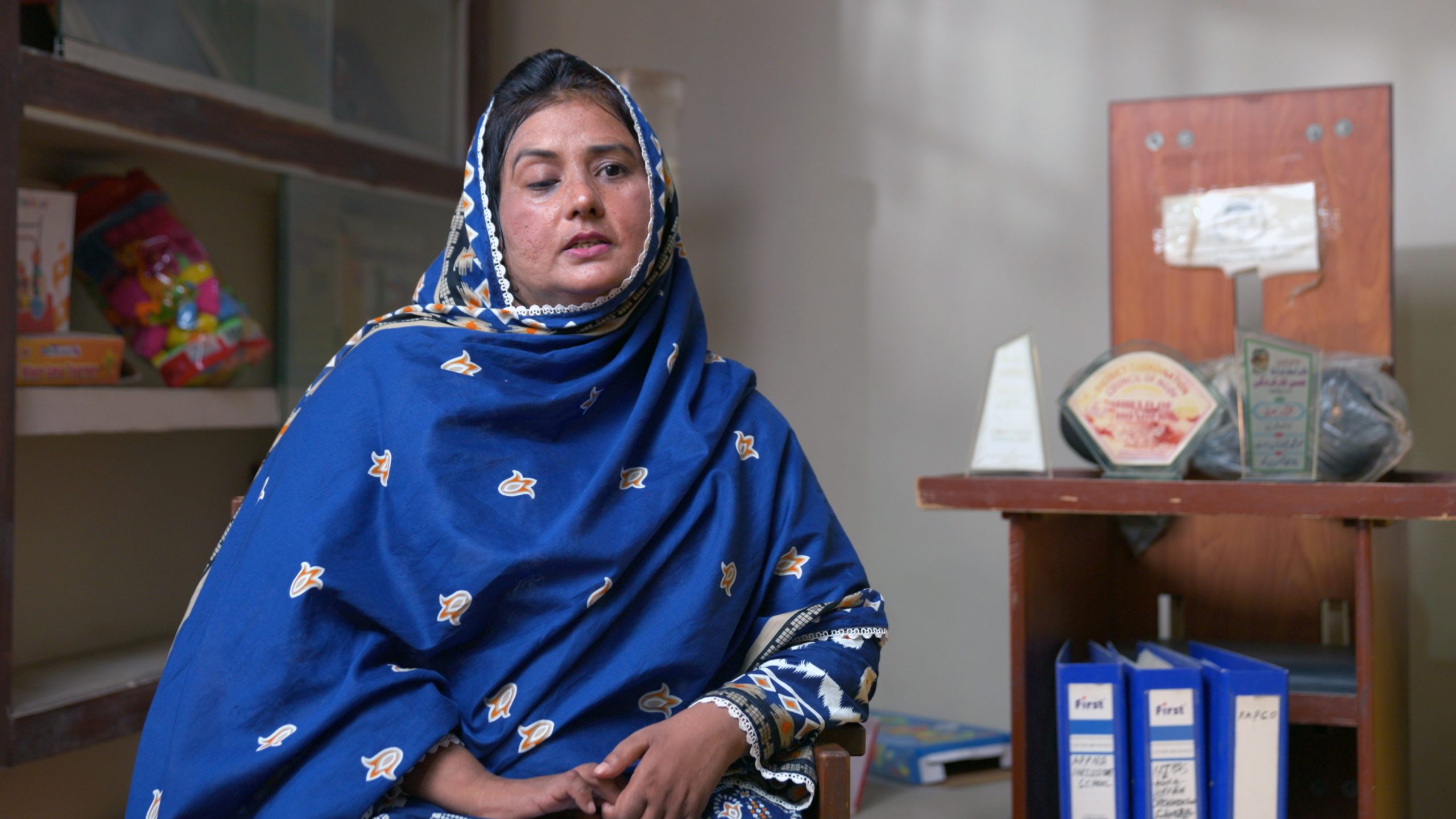
Through the stories of three survivors, the film reveals how childhood vaccination refusal, driven by misinformation, cultural barriers, and fear, can lead to permanent disability. These individuals speak candidly about growing up with stigma, exclusion, and hardship of being mocked at school, denied education or marriage, struggling to earn a livelihood, yet finding resilience through work, art, and self-belief. Their lives stand as living reminders that polio is not a temporary illness, but a lifelong condition with social, emotional, and economic consequences.
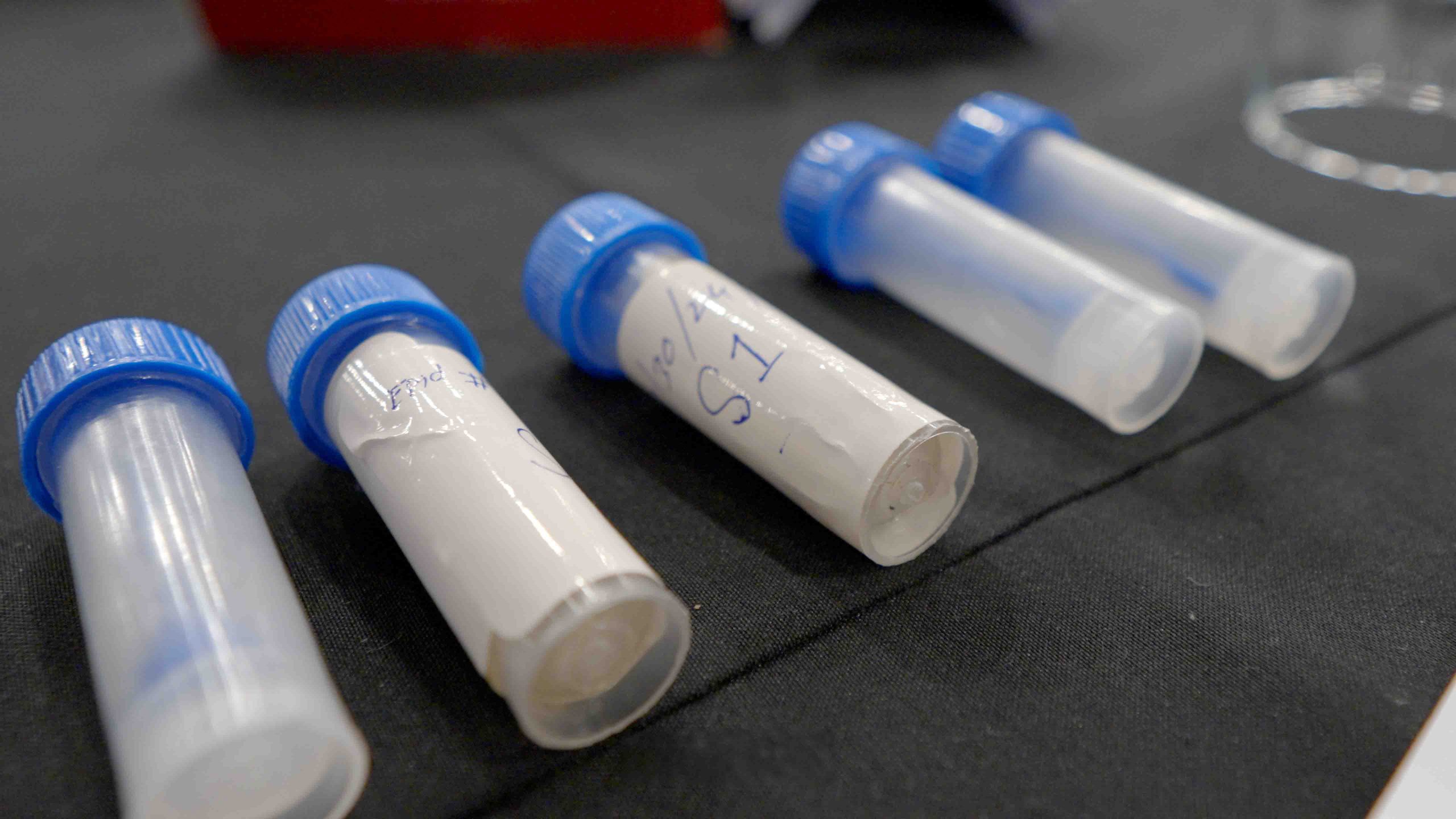
Parallel to these personal narratives, Two Drops of Hope follows doctors, district health officers, and surveillance officers who form the backbone of Pakistan’s polio eradication campaign. The film offers a rare look into the meticulous surveillance systems, door-to-door vaccination drives, sample collection processes, and community engagement efforts required to contain the virus. It highlights the challenges faced in rural and tribal areas, where distrust and misinformation remain major obstacles.
At its core, the film confronts a simple yet urgent truth: polio has no cure, only prevention. By juxtaposing lives shaped by disability with the extraordinary efforts being made to protect future generations, Two Drops of Hope becomes both a warning and a call to action. It argues that a polio-free Pakistan is not an unattainable dream but a shared responsibility, achievable through awareness, trust, and the collective will to protect every child with just two drops of vaccine.
Director: Syeda Kashmala
Producer: Jawad Sharif
From Awareness to Action: How Two Drops of Hope Contributes to a Polio-Free Pakistan
The fight against polio is often described in terms of coverage, surveillance, and campaigns. But eradication is not achieved by systems alone; it depends on belief, trust, and collective will. Two Drops of Hope contributes to this fight by addressing the most difficult barrier of all: hesitation rooted in fear and misunderstanding.
The film does not lecture. It listens. By centering the voices of polio survivors, it allows the consequences of refusal to speak for themselves. When someone says they cannot walk without a crutch, that marriage proposals disappear the moment disability is seen, or that education had to end because access was denied, the message carries a weight no public service announcement can replicate. The impact lies in recognition: this could have been avoided.
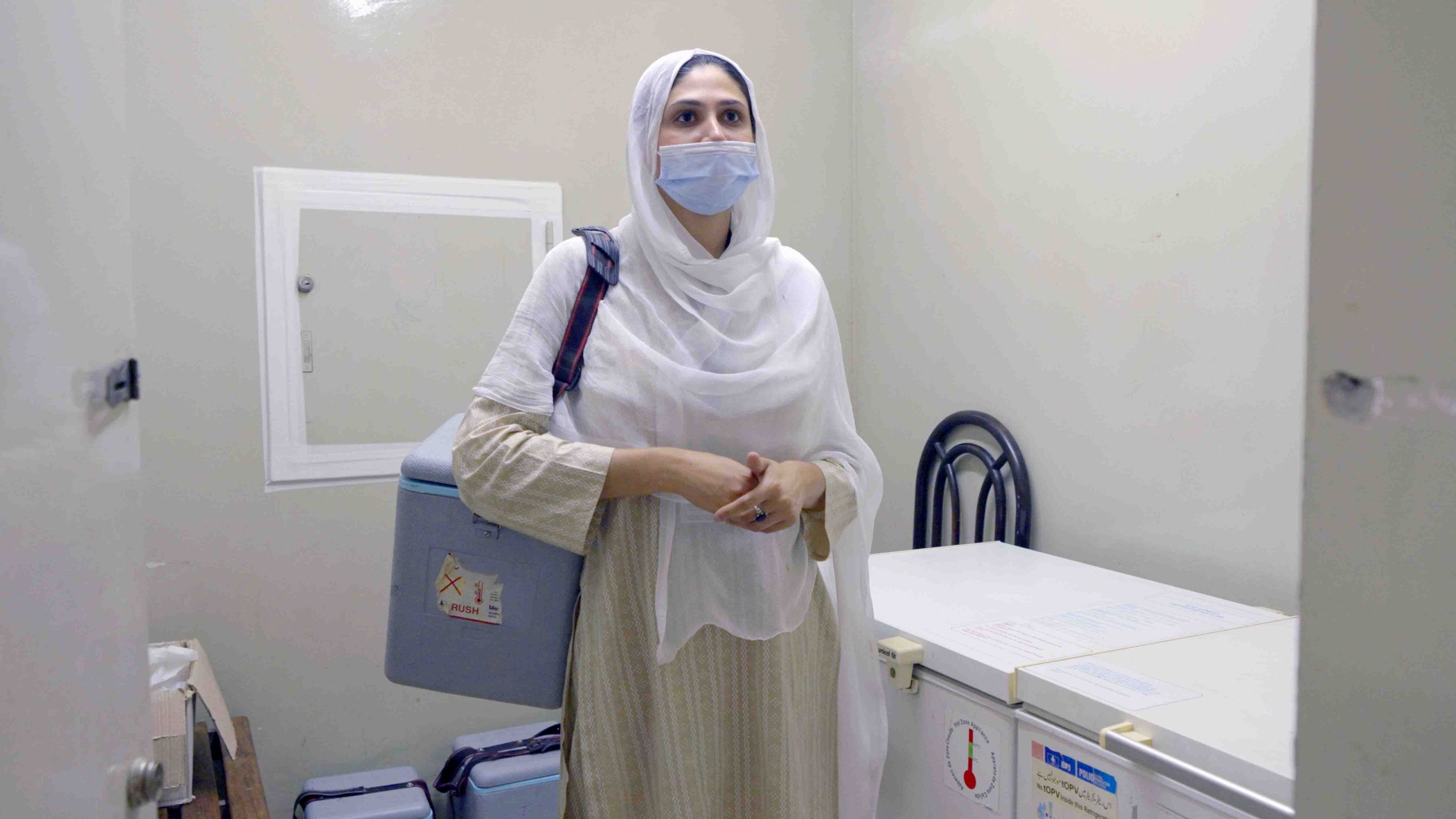
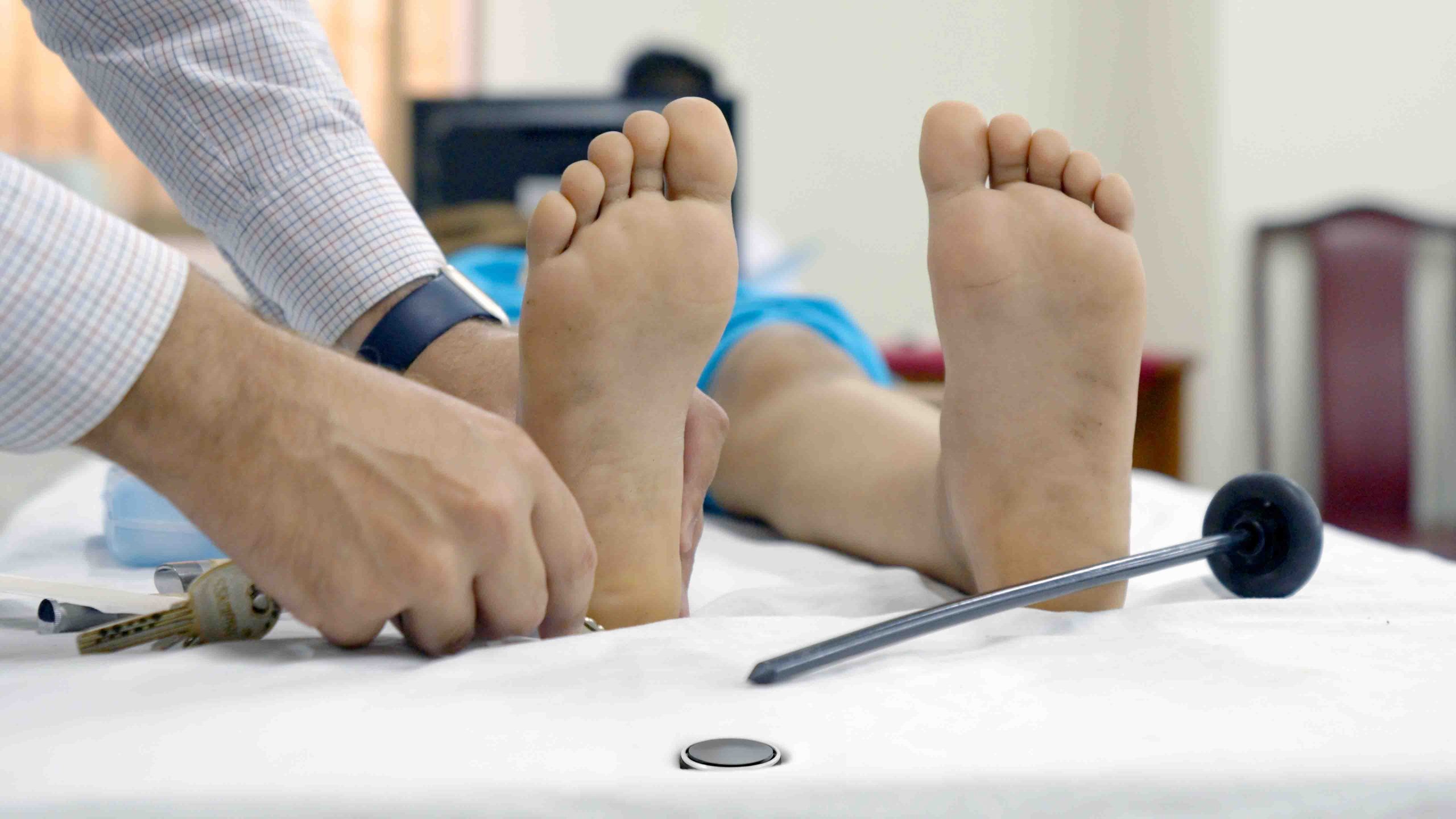
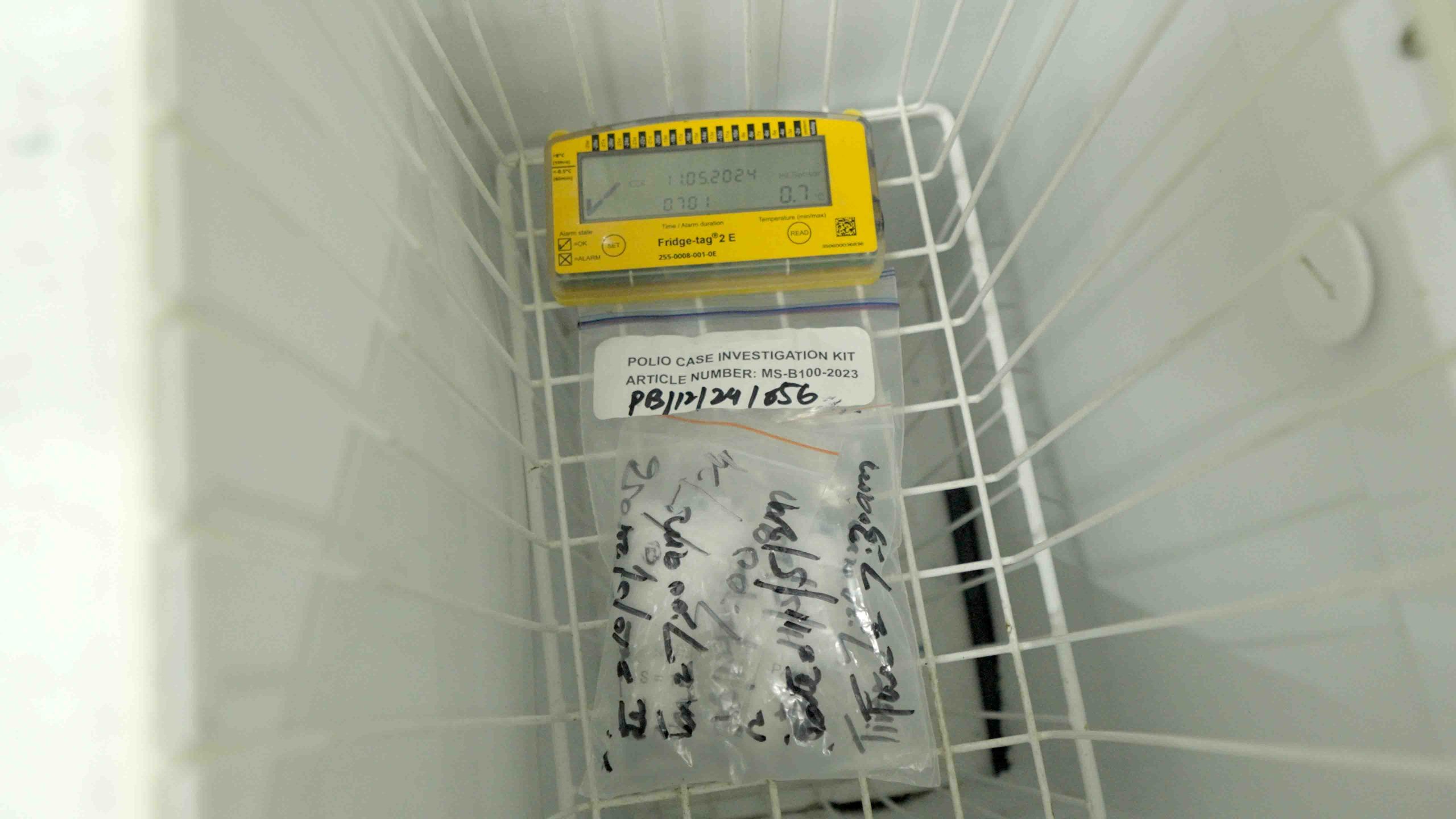
Equally important is how the film humanizes the eradication effort. Surveillance officers tracking acute flaccid paralysis, health workers maintaining cold chains, teams navigating resistance in rural and tribal areas, these processes are often invisible to the public. The film brings them into view as care in motion. Viewers begin to understand that vaccination is not an intrusion, but a service delivered with precision, sacrifice, and persistence.
Through its character driven story, the film reinforces the idea that polio eradication is a shared effort one that succeeds when communities participate rather than resist. It challenges the notion that responsibility lies only with the state or international organizations. The message is clear: when vaccines are available, free, and delivered to the doorstep, refusal becomes a collective loss.
The impact of Two Drops of Hope lies in its ability to counter misinformation without confrontation. Myths about infertility or harm are dismantled through lived proof as families who once refused now vaccinate, survivors who urge others not to repeat the same mistake, doctors who explain that there is no cure, only prevention. This approach creates space for reflection rather than defensiveness.
The film also reframes disability itself. It does not portray survivors as victims, but as individuals who have built livelihoods, found purpose, and continue to contribute despite immense obstacles. In doing so, it deepens the urgency of prevention: resilience should not be demanded where suffering can be avoided.

Ultimately, the film’s contribution is simple but powerful. It turns eradication from a distant goal into a personal responsibility. It reminds viewers that a polio-free Pakistan is not hypothetical it has already been achieved elsewhere. What remains is the final stretch, one that depends on trust.
Two Drops of Hope adds to the eradication effort by making the cost of inaction visible, the labor of prevention visible, and the possibility of success believable.
Two Drops of Hope - Trailer
Leave your feedback. To stay up to date with our latest Films and Documentaries, Please Subscribe to our Official Youtube Channel