Shamsi – Pakistan's Solar Revolution
Logline
Shamsi – Pakistan’s Solar Revolution follows a farmer, fisherfolk community, a folk artist, and an energy expert across South Punjab as they turn to solar power as a lifeline reshaping daily survival, livelihoods, and the future of communities long neglected by the national grid.
Synopsis
Shamsi – Pakistan’s Solar Revolution is a character-driven documentary that explores Pakistan’s unprecedented, people-led shift toward solar energy through the lived experiences of those whose lives are being transformed by it.
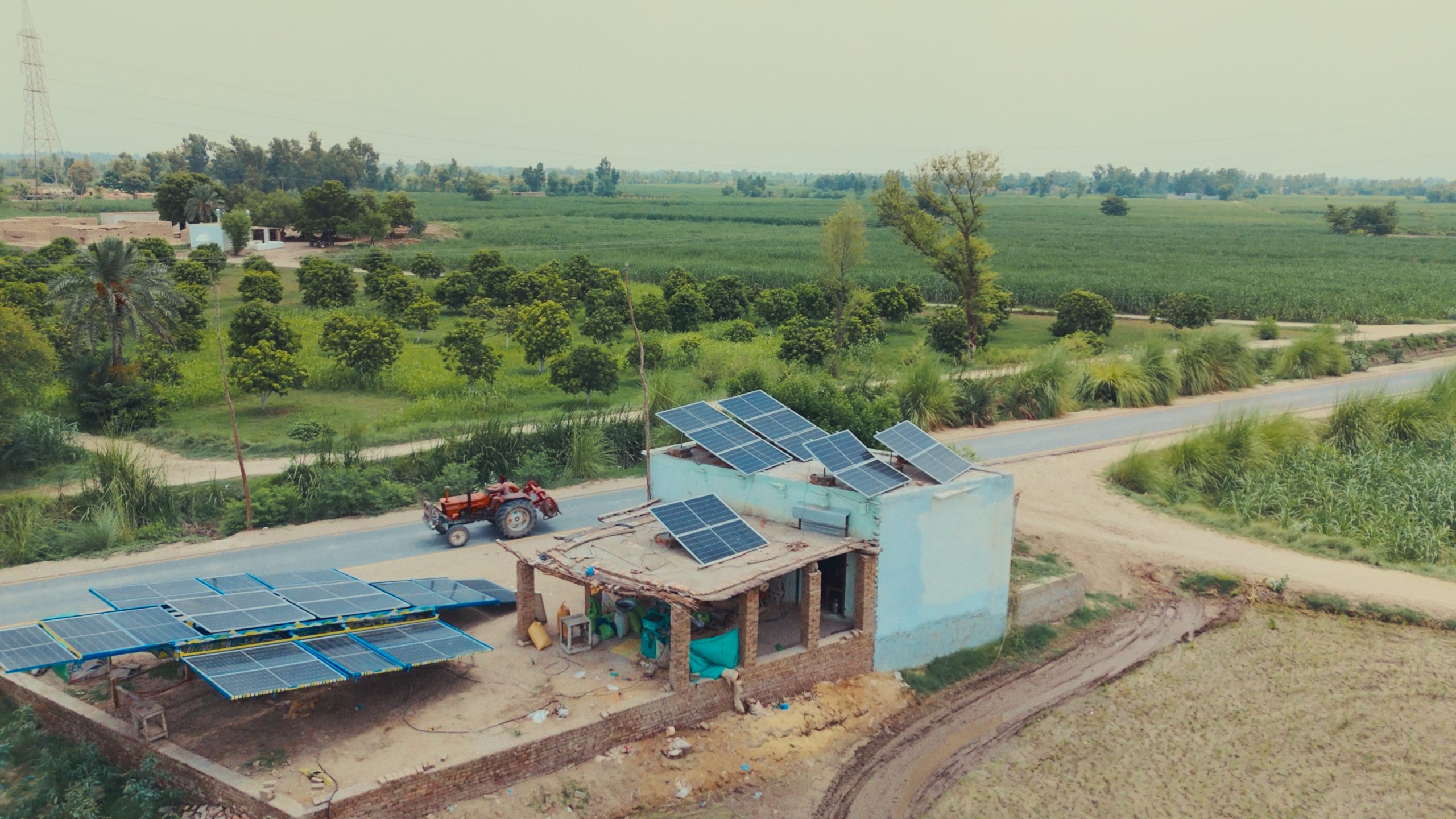
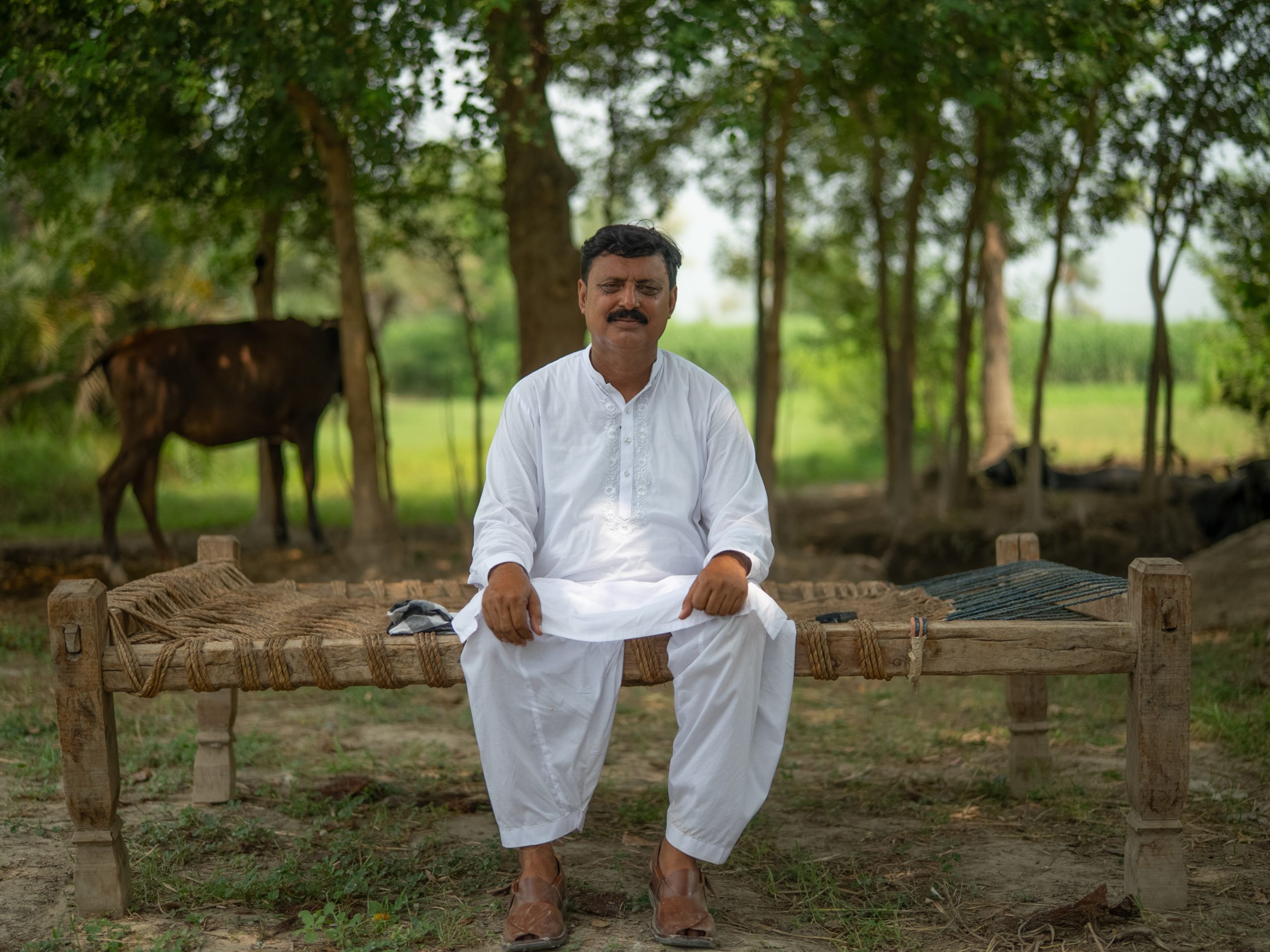
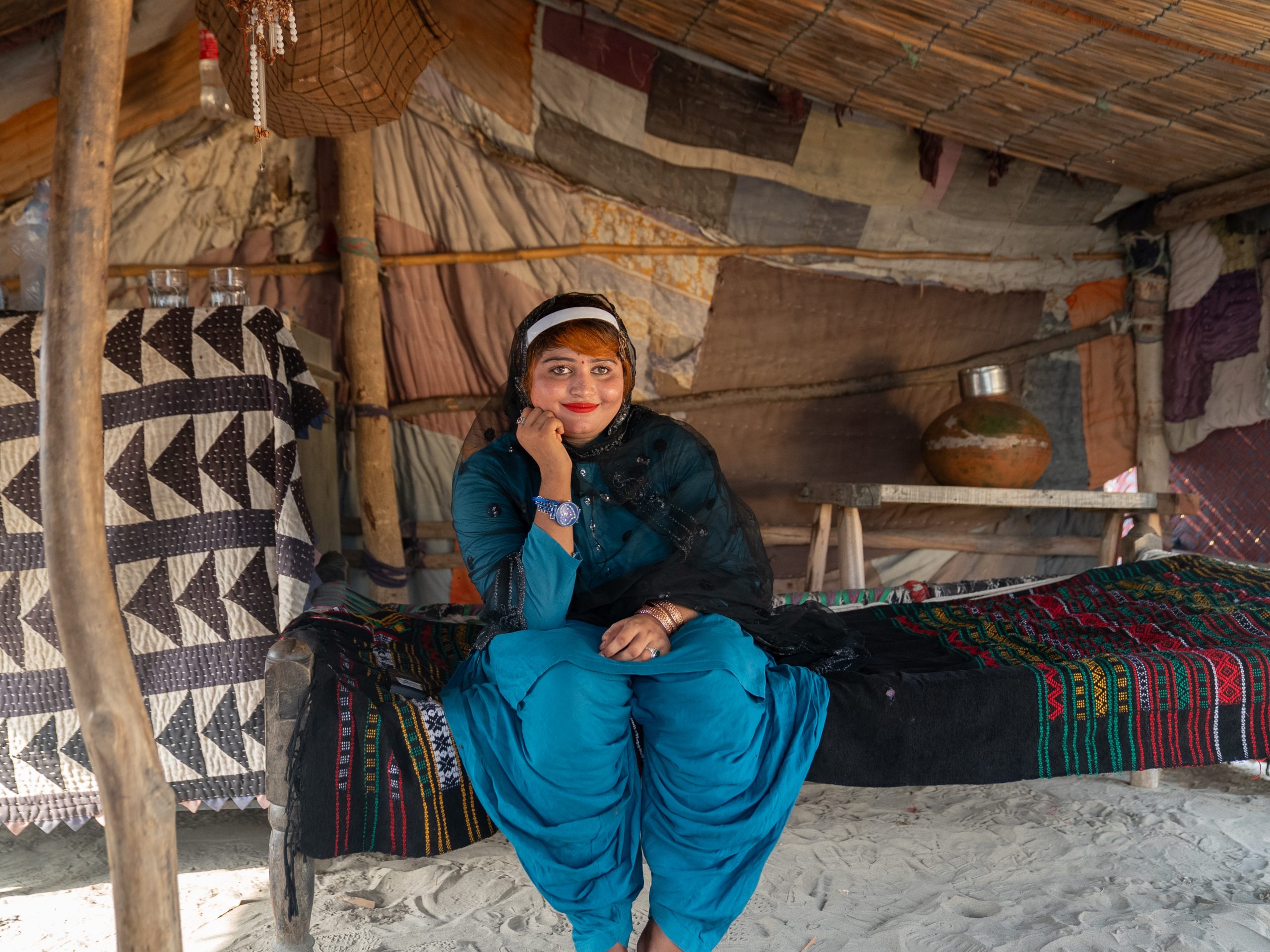
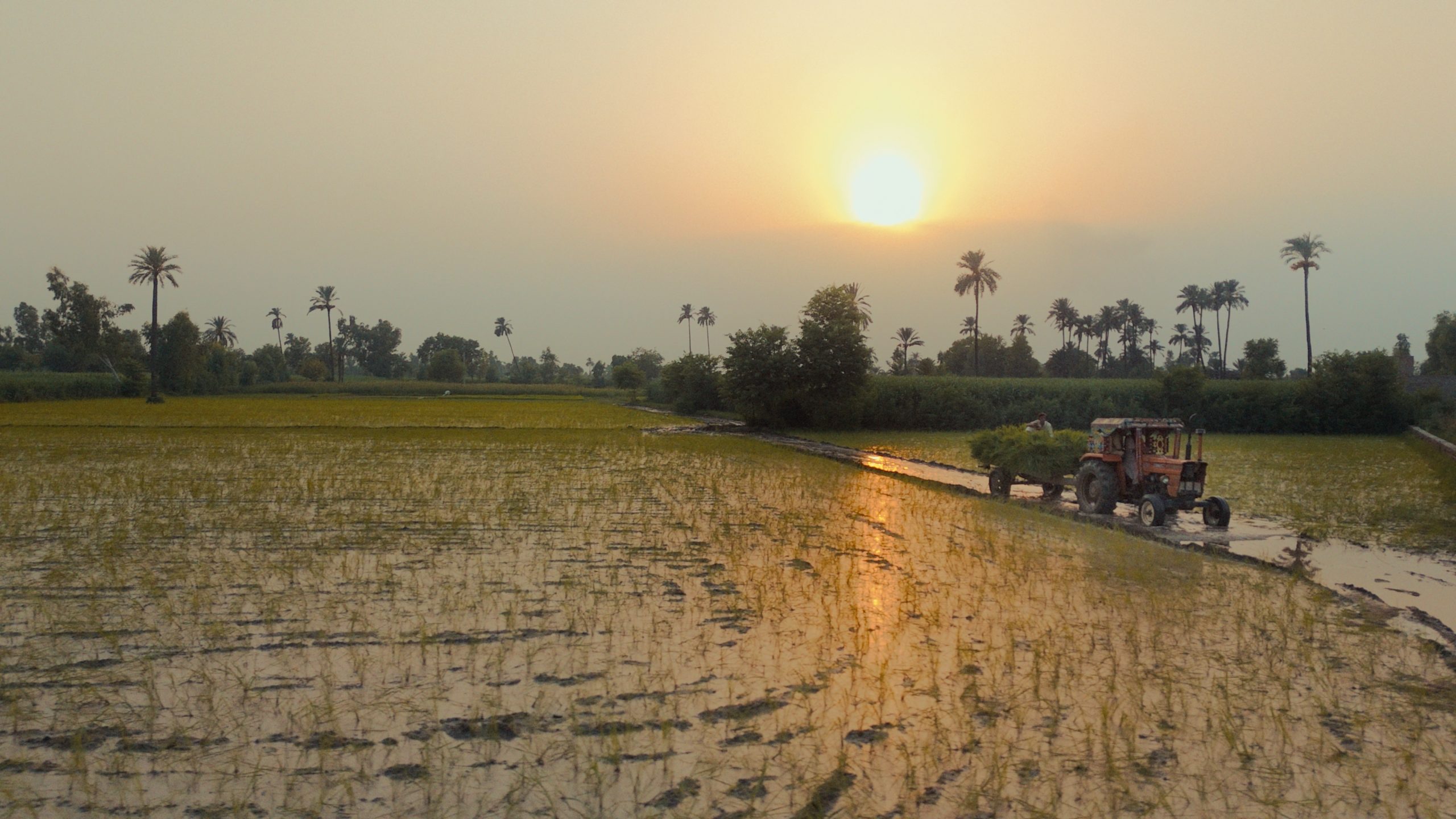
The film moves across landscapes guided by voices rooted in soil, water, music, and labor. Folk singer Kajal Guddi sings of longing inspired by brackish water and desert life, while solar power enables her to carry her music, charge her recorder, and remain connected as a nomadic artist. Farmer Saleem Ashraf reflects on generations tied to land and water, explaining how solar-powered irrigation has freed him from costly diesel engines, even as it introduces new ecological challenges through over-extraction of groundwater.
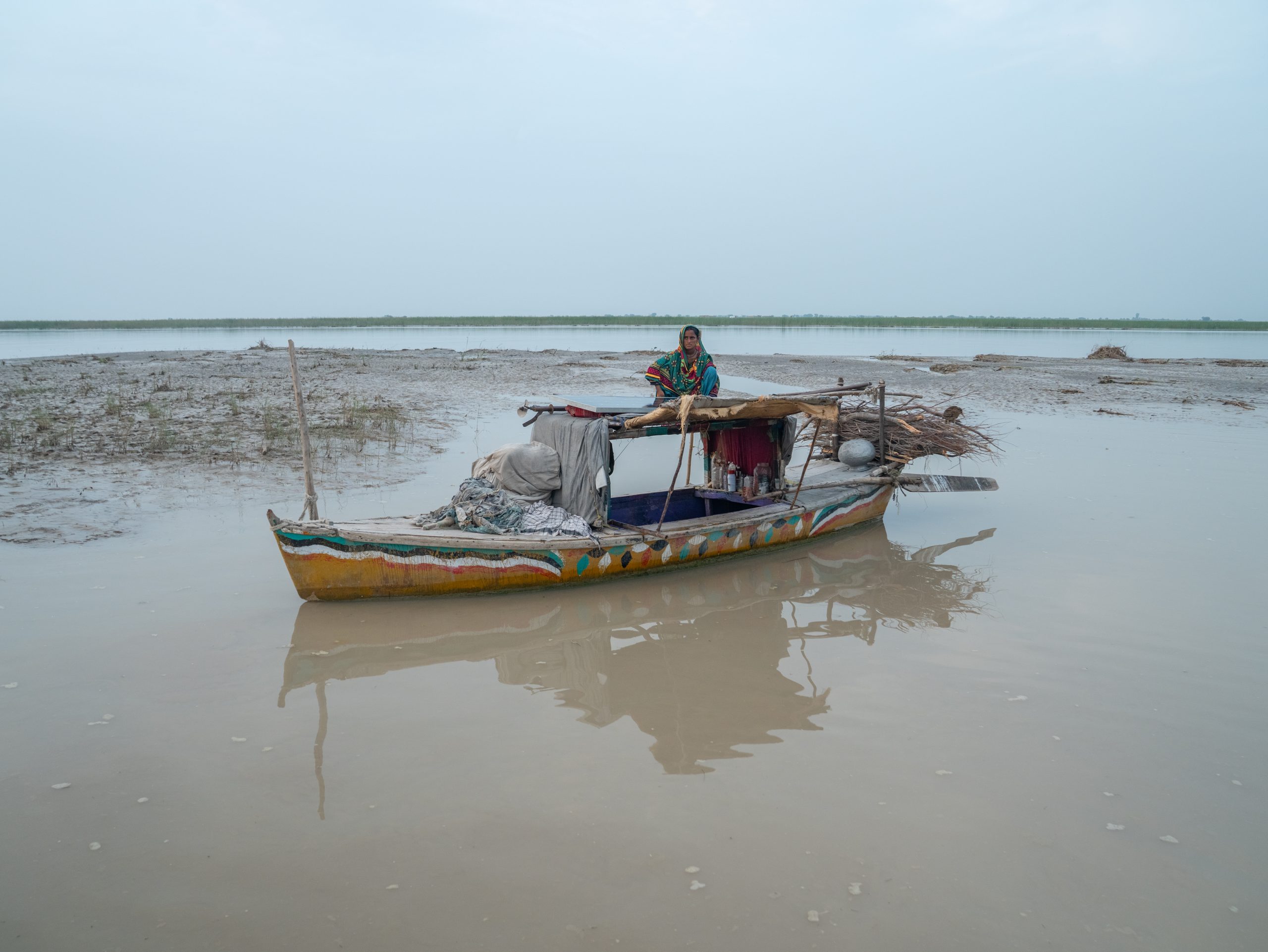
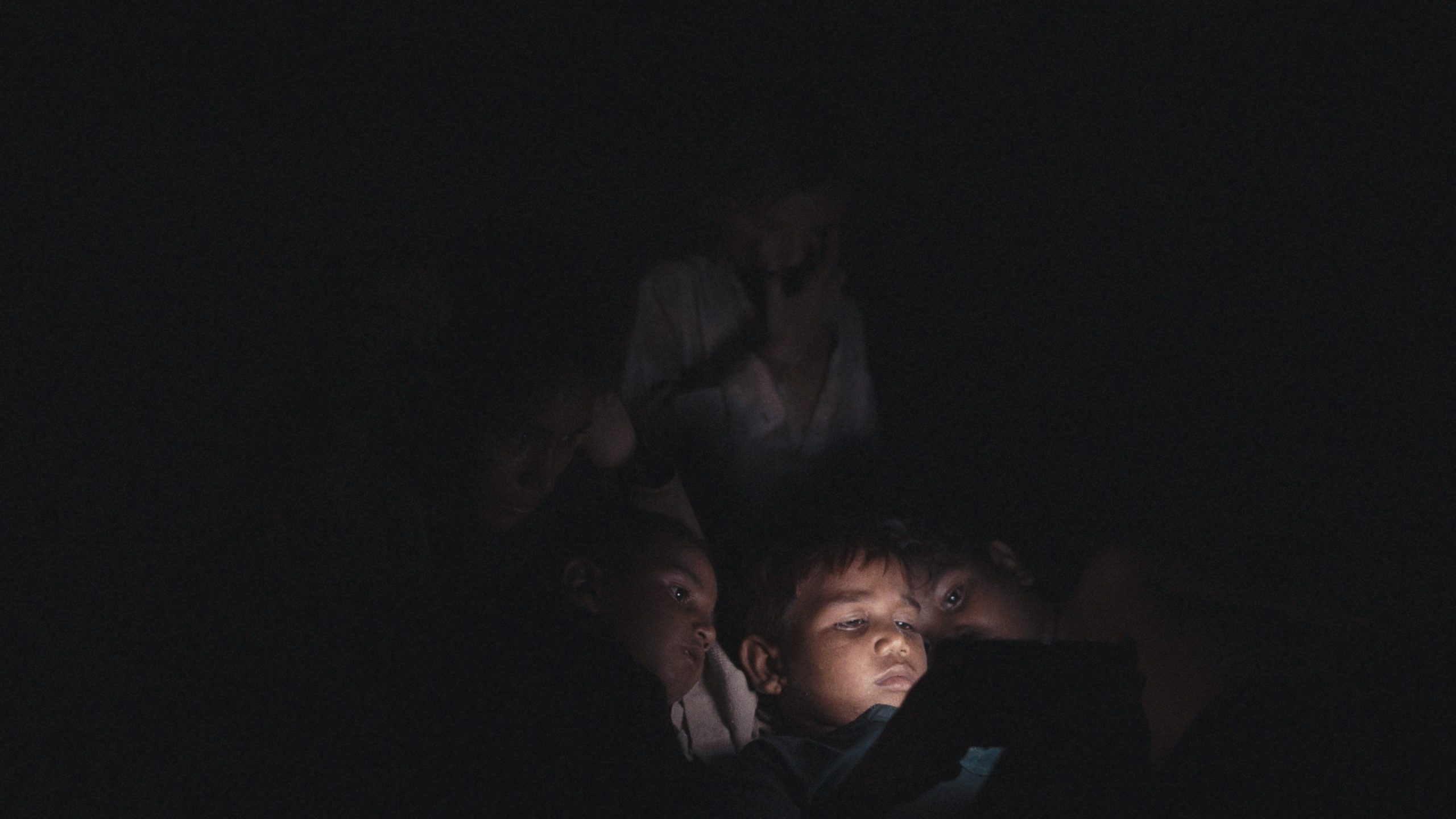
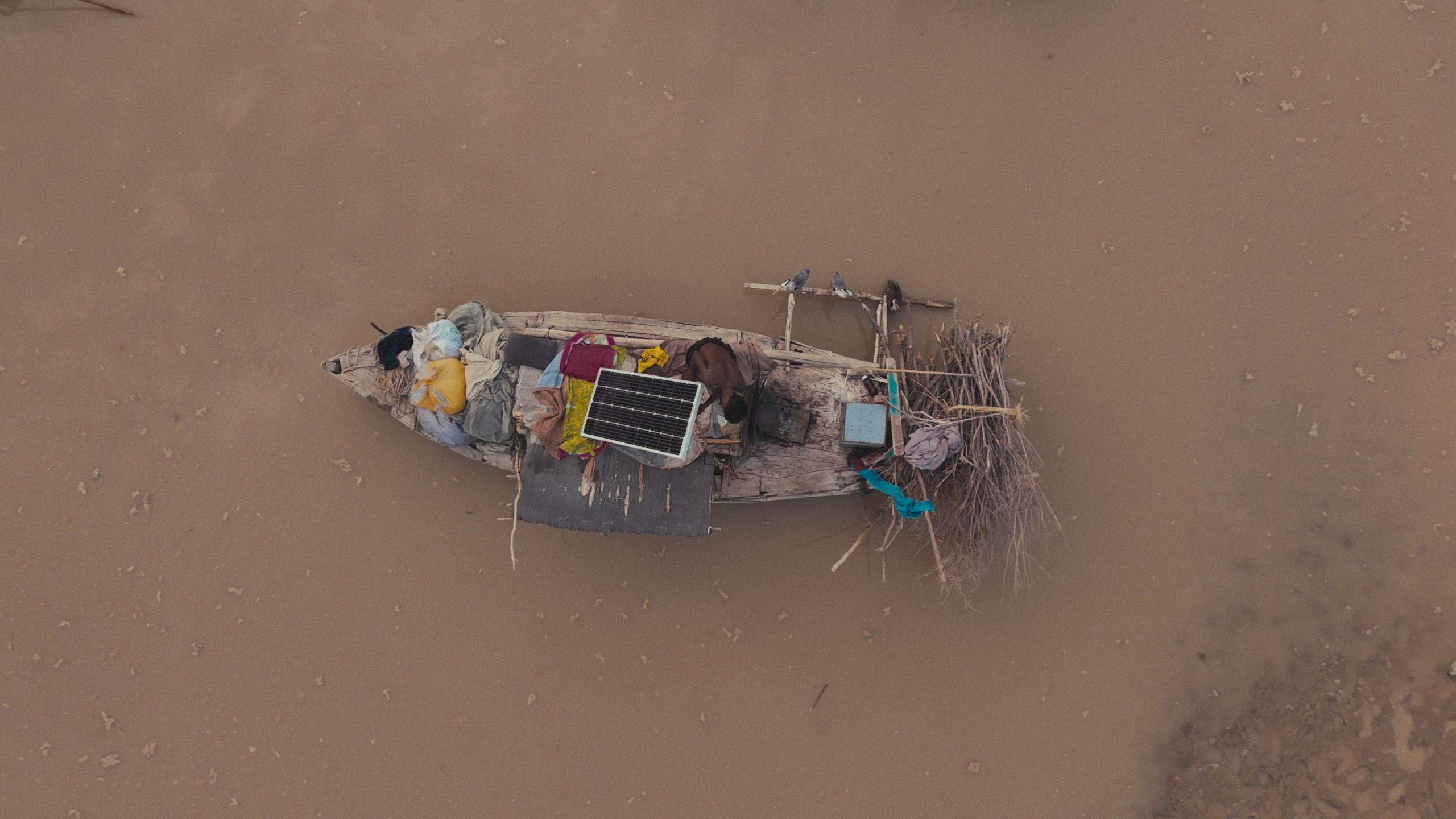
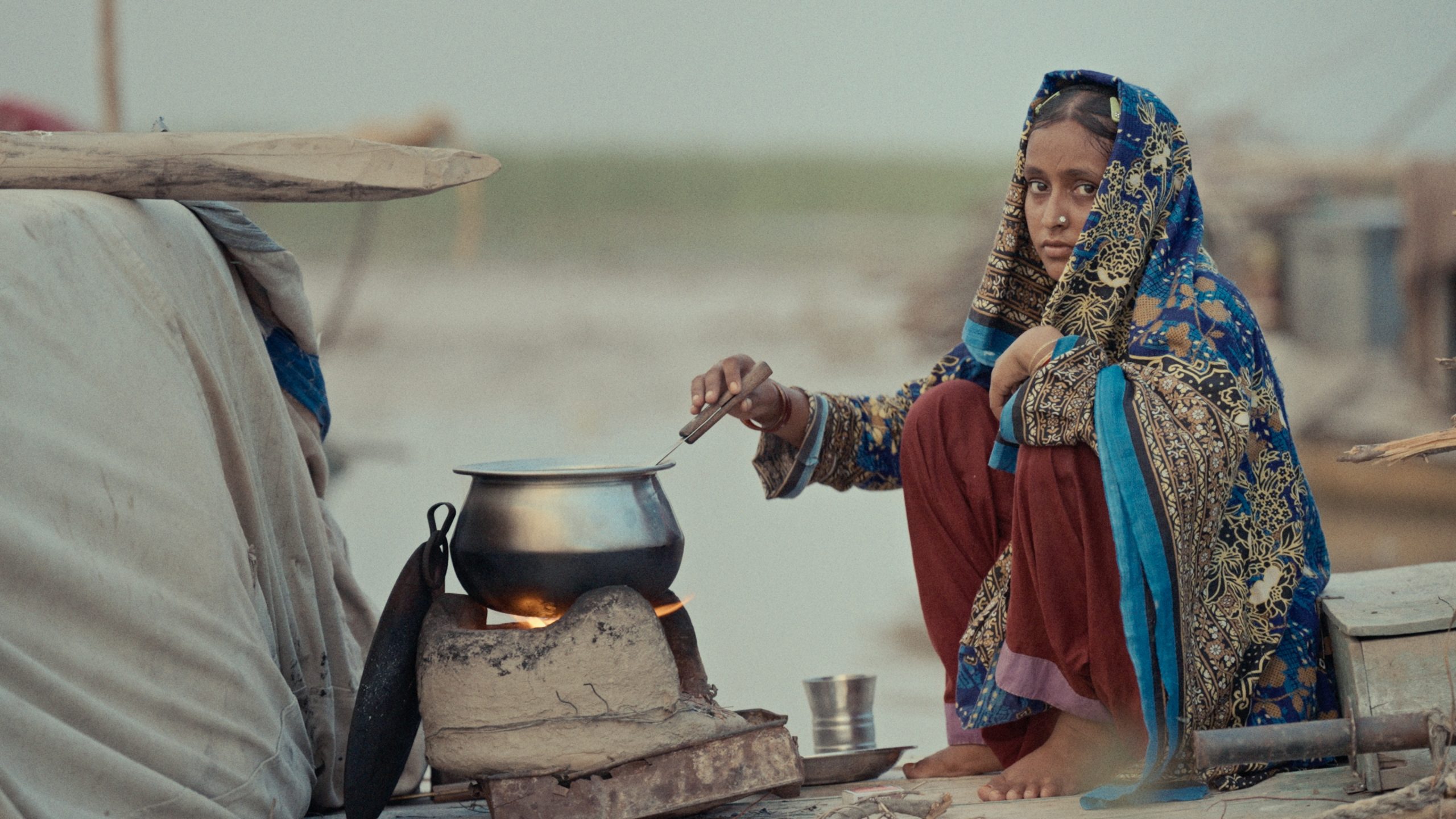
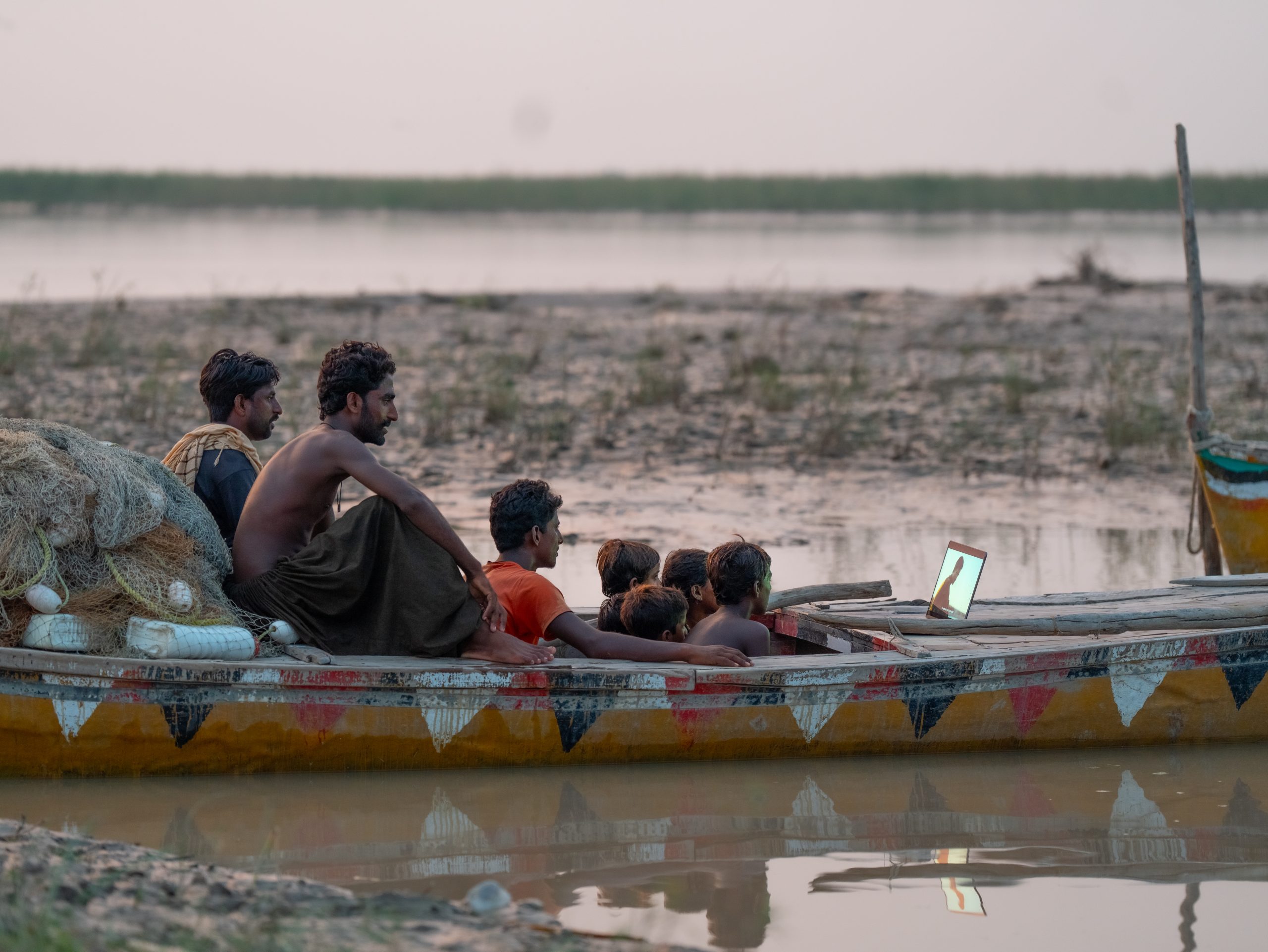
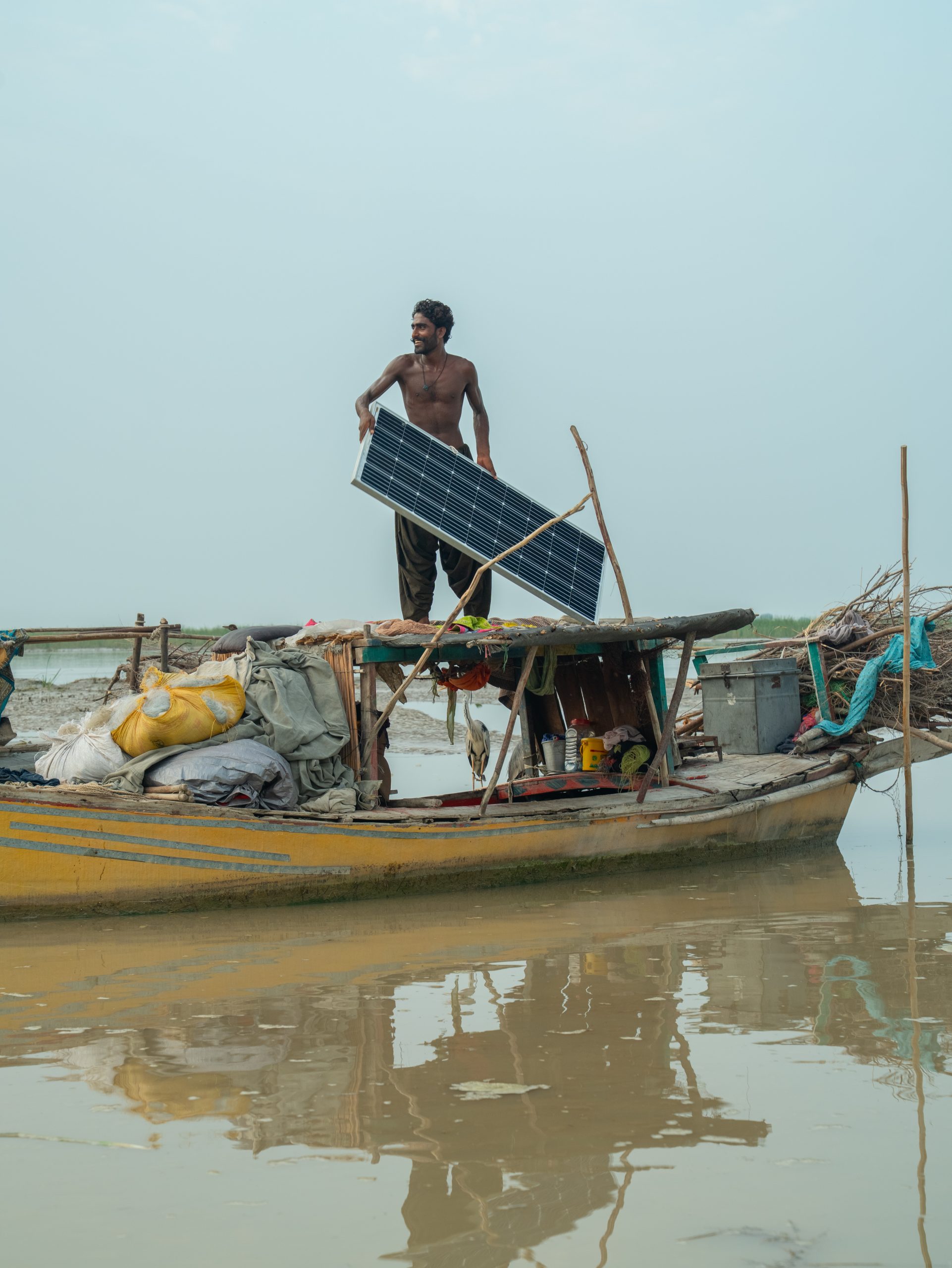
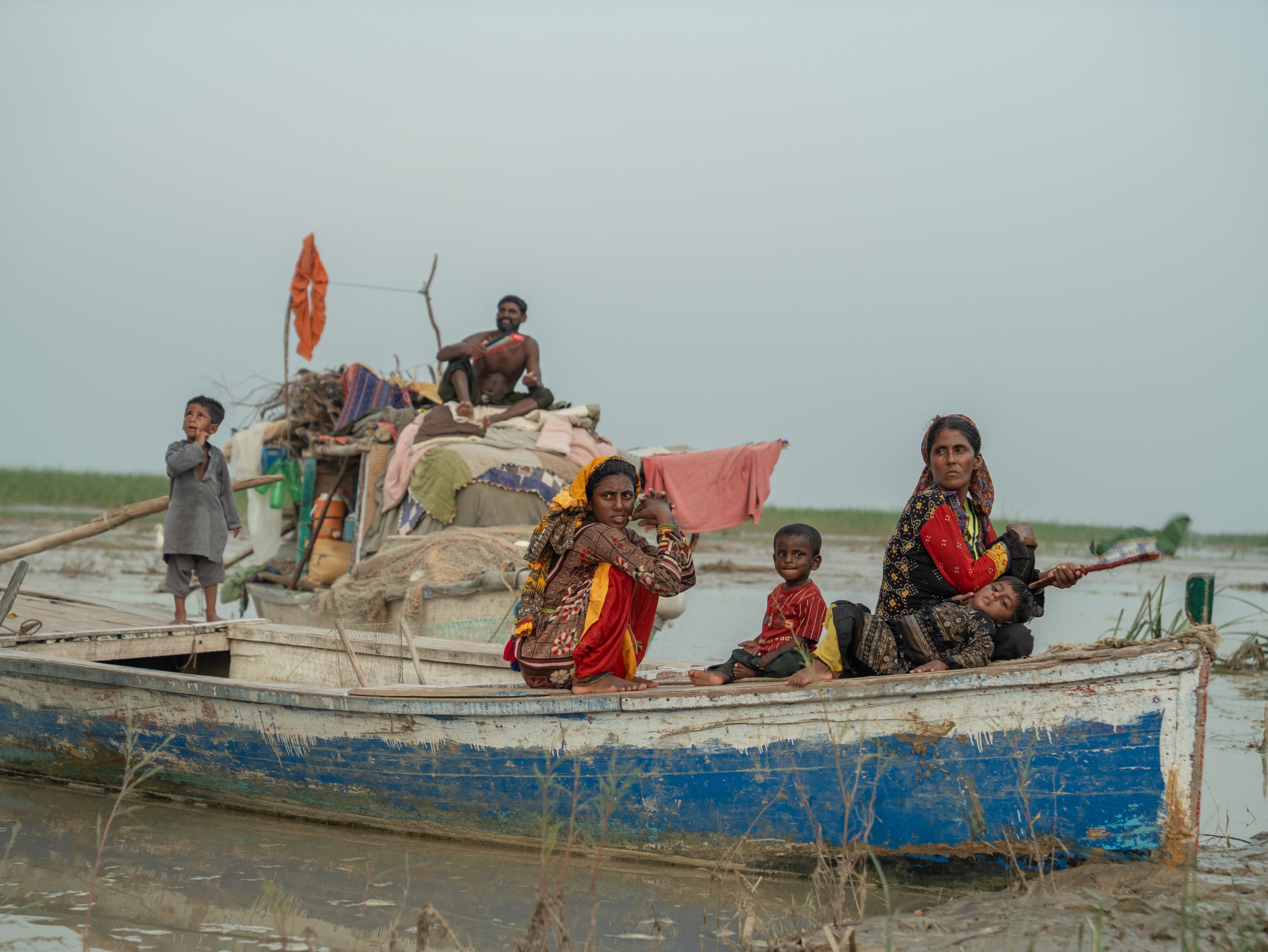
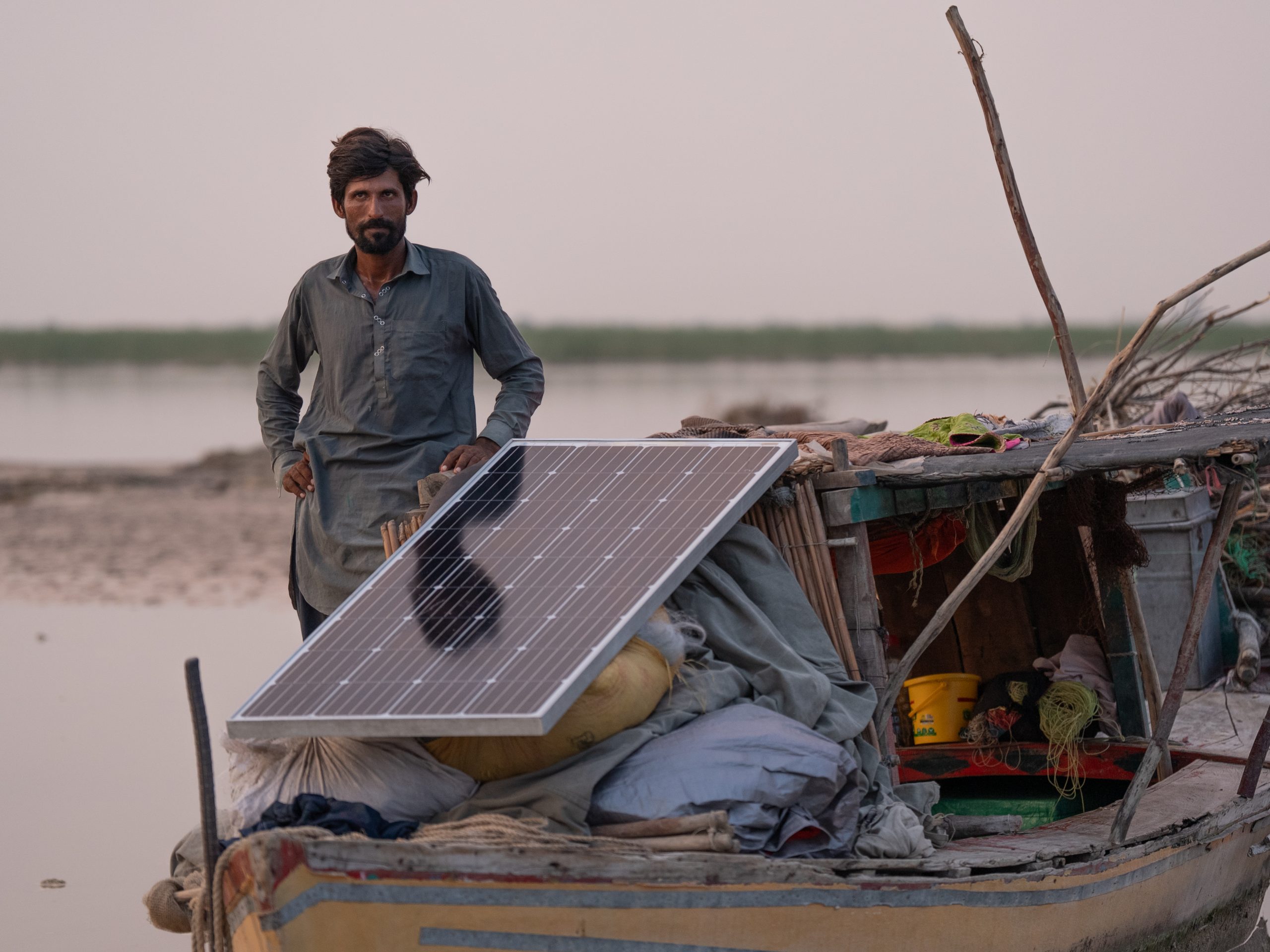
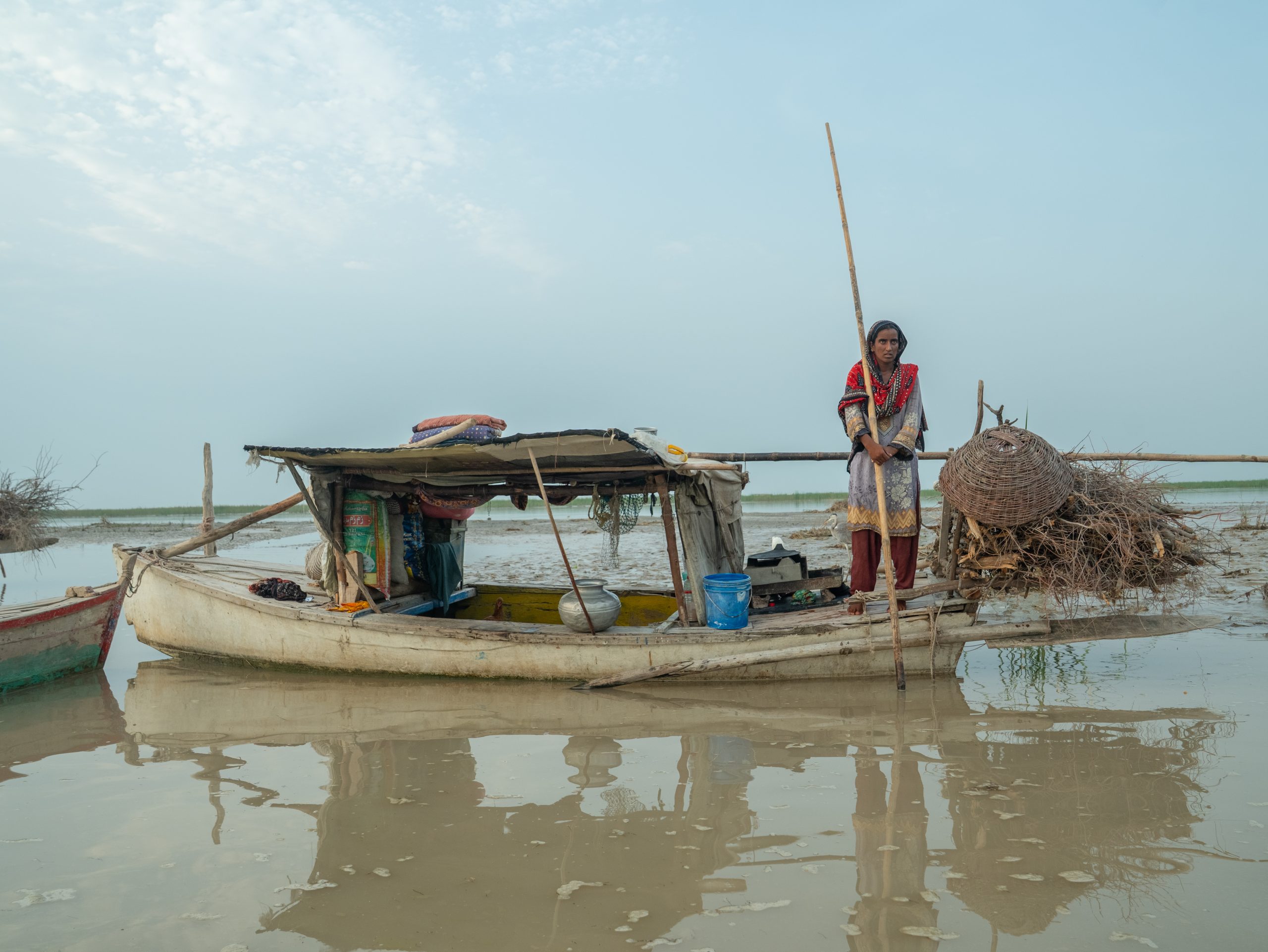
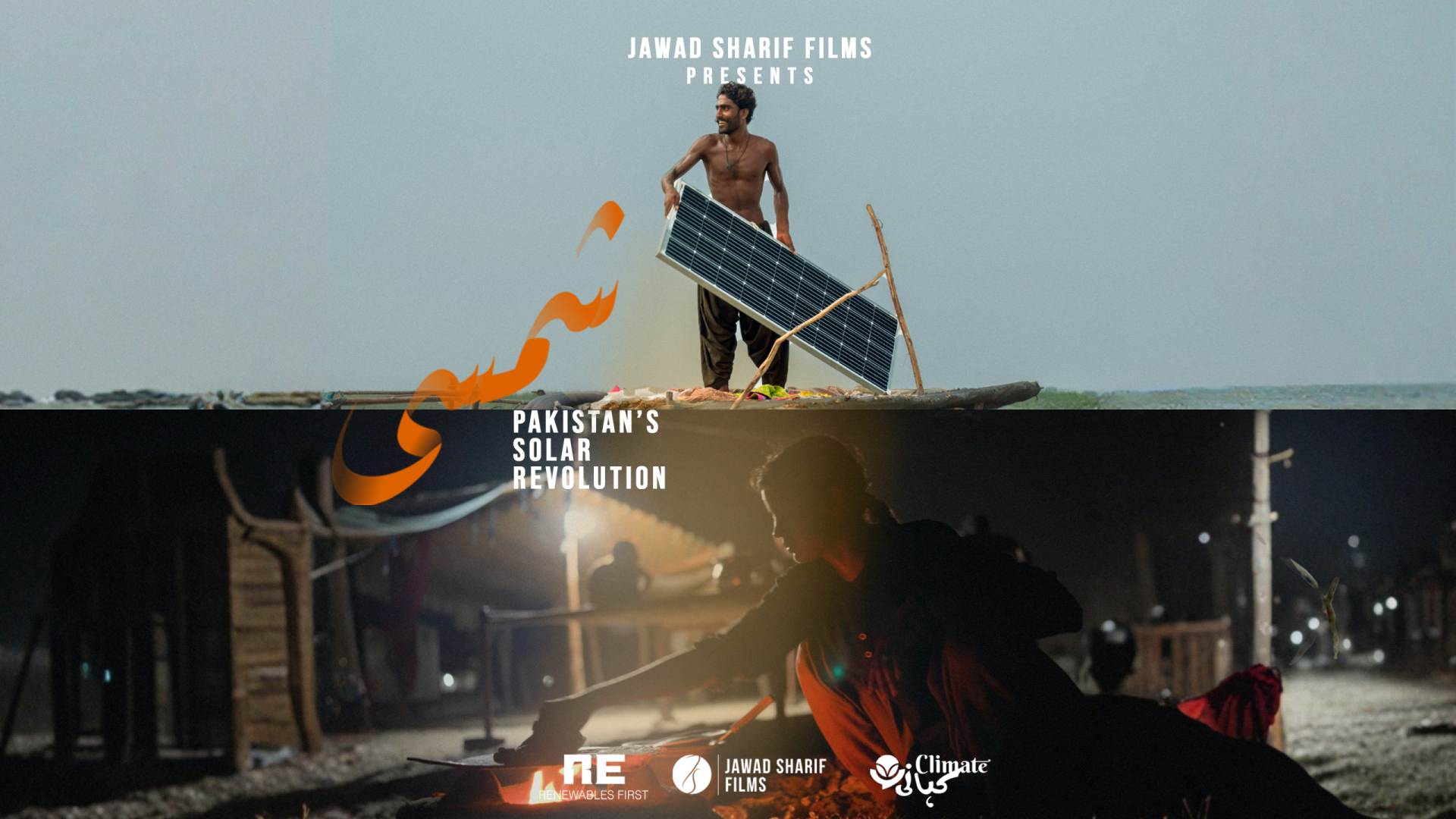
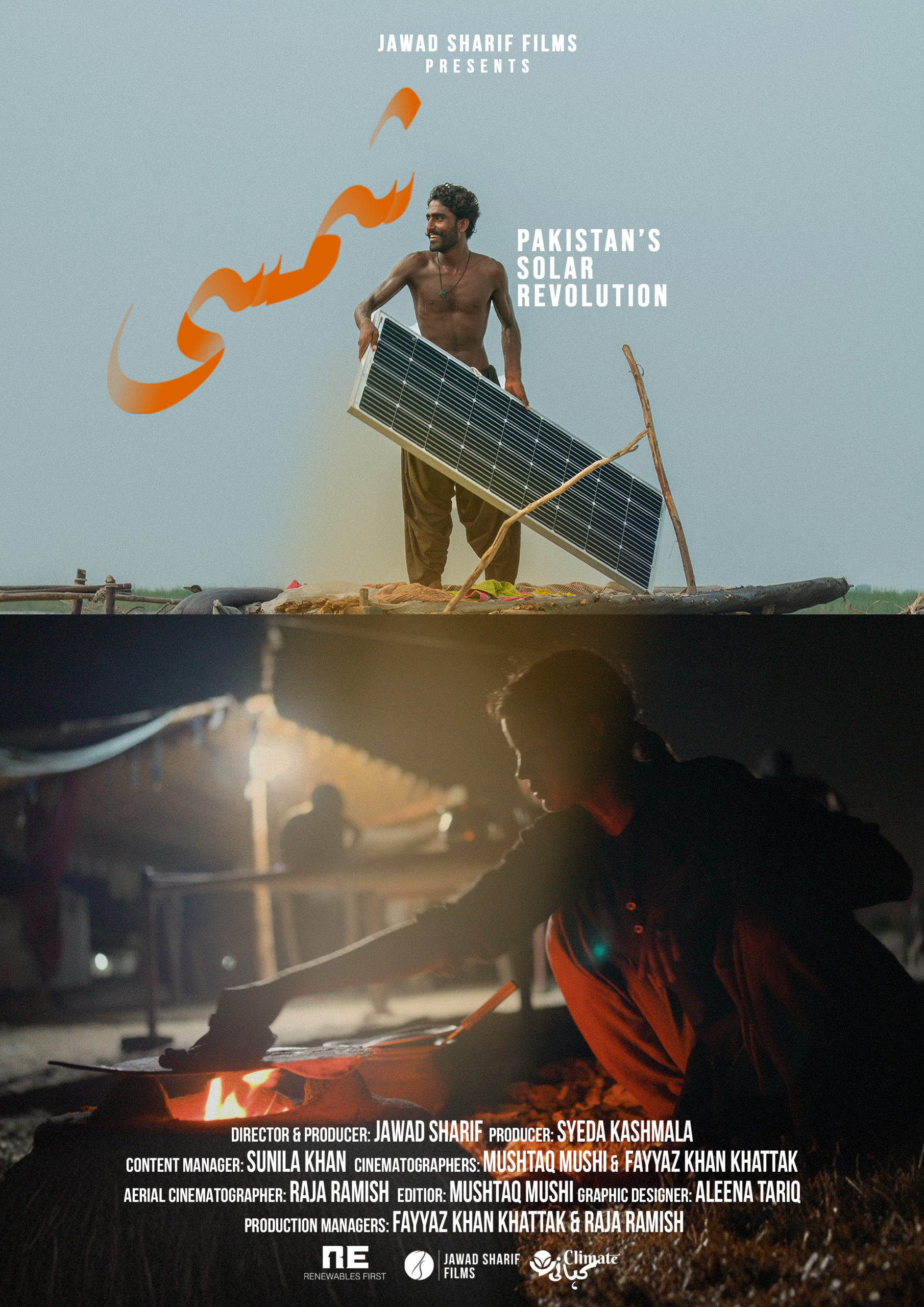
Azeema Bibi and Muhammad Parvez from the fisherfolk community speak from boats that have been their only homes. For them, a single solar panel means light after sunset, charged phones to stay connected, and a fan to survive brutal summers. Solar has arrived as a relief for them.
Interwoven with these stories is the broader context offered by Zeeshan Ashfaq, CEO of Renewables First, who explains how Pakistan’s solar boom defies global expectations. Rather than being driven by large-scale government programs or foreign investment, Pakistan’s solar revolution is bottom-up, market-driven, and led by ordinary people responding to the failure of the national grid to provide affordable, reliable electricity.
The film does not present solar only as a simple solution; it also acknowledges its limits that include unequal access, affordability gaps, ecological strain from unchecked groundwater use while showing why millions have still embraced it. In rural and grid-deprived communities, solar has enabled agriculture, livelihoods, communication, and basic comfort where none existed before.
Shamsi is a portrait of resilience and adaptation, where solar is not just clean energy and technology. It becomes a way of life one that carries promise and responsibility, and whose future depends on whether its benefits can reach everyone.
Shamsi - Documentary Trailer
Leave your feedback. To stay up to date with our latest Films and Documentaries, Please Subscribe to our Official Youtube Channel