Why Telling Pakistan’s Polio Story Matters
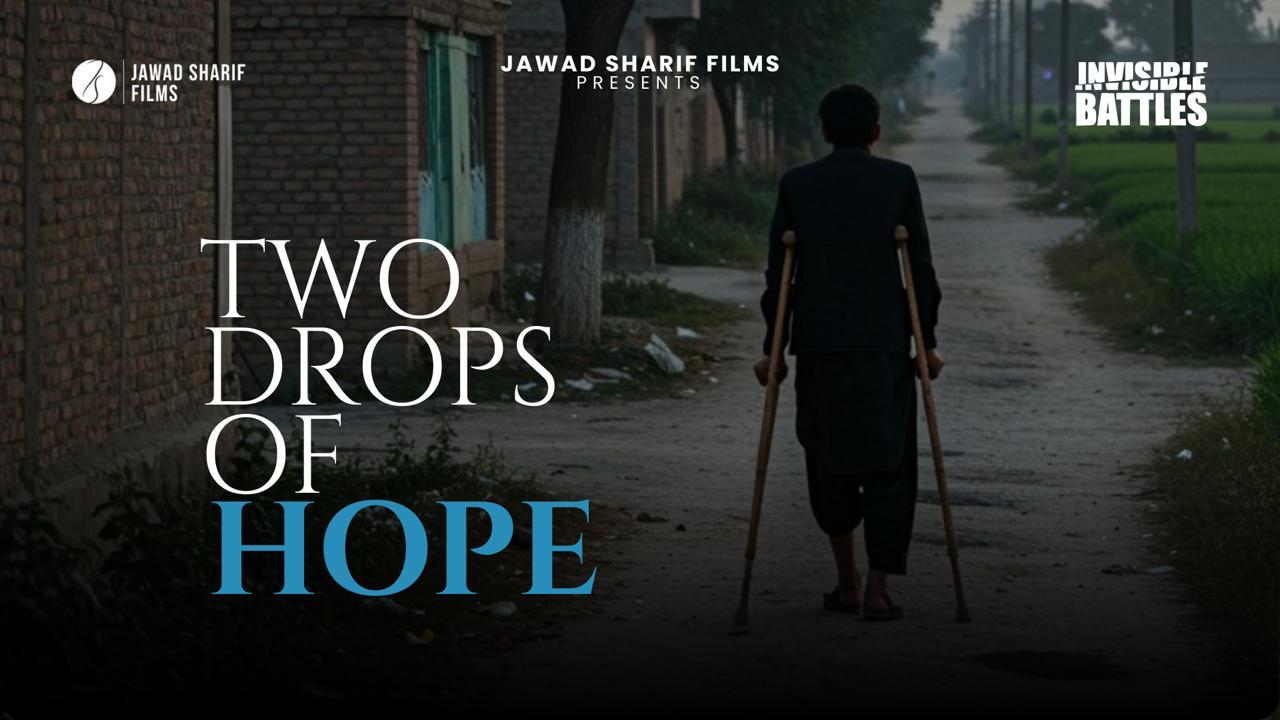
Polio is often spoken about as a statistic, a number on a dashboard, or a headline that briefly appears and disappears. But polio is not abstract. It is lived in bodies, in homes, in lifelong limitations that begin with a single missed moment in childhood. This film was born out of the need to move polio out of reports and into human experience.
In Pakistan, one of the last two countries where polio still exists, the disease continues to shape lives long after the virus itself has passed. Two Drops of Hope exists because behind every case is a story that rarely gets heard: a child mocked at school, a young woman rejected for marriage, a man forced to abandon education and find dignity in survival rather than choice. These are not exceptional stories. They are the quiet, everyday consequences of a preventable disease.
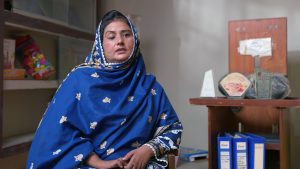 Listening to polio survivors, one truth becomes unavoidable: polio does not end when paralysis begins. It follows people into adulthood, into work, into relationships, and into how they are seen by society. The pain is not only physical. It is social, emotional, and deeply isolating. Many survivors speak not with bitterness, but with an aching clarity a wish that no child ever has to live the life they were forced into.
This film also had to be made because of the persistence of misconception. Again and again, survivors and health workers describe how refusal of vaccination was rooted not in malice, but in fear, misinformation, and inherited beliefs. Drops were seen as harmful, useless, or even dangerous. In some families, refusing vaccination was tradition. In others, it was tied to control, honor, or distrust of the state. The cost of those decisions is now carried in bodies that cannot be healed.
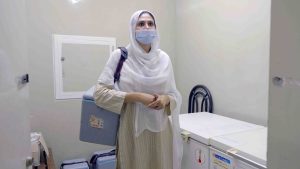 At the same time, Two Drops of Hope exists to acknowledge the extraordinary labor behind eradication efforts. Lady health workers walking door to door, surveillance officers tracking cases in remote areas, doctors collecting samples under strict protocols, community leaders countering rumors through mosques and meetings, this is an immense system of care that rarely receives public recognition. The film wanted to place this labor alongside the consequences of refusal, not as accusation, but as context.
Making a film about polio in Pakistan today is not about repeating what we already know that vaccination works but about showing what happens when it does not reach everyone. It is about shifting the conversation from fear to responsibility, from rumor to reality. Polio may be a virus, but its endurance is social. And so the response must also be social, grounded in empathy and truth.
This film had to be made because polio survivors are still living among us, often unseen. Because frontline workers are still fighting, often unacknowledged. And because eradication is not just a medical goal, it is a moral one.